Repositorio Institucional UV
Nuestra plataforma digital permite almacenar, conservar y difundir la producción de conocimiento generado o utilizado por académicos, investigadores o estudiantes de la Universidad de Valparaíso.

Descubre nuestro Repositorio
Colecciones de nuestras Facultades.
Las facultades son unidades académicas mayores, constituidas por quienes cultivan una misma rama o ramas afines del saber y cuyas principales funciones son la docencia, la investigación y la extensión.
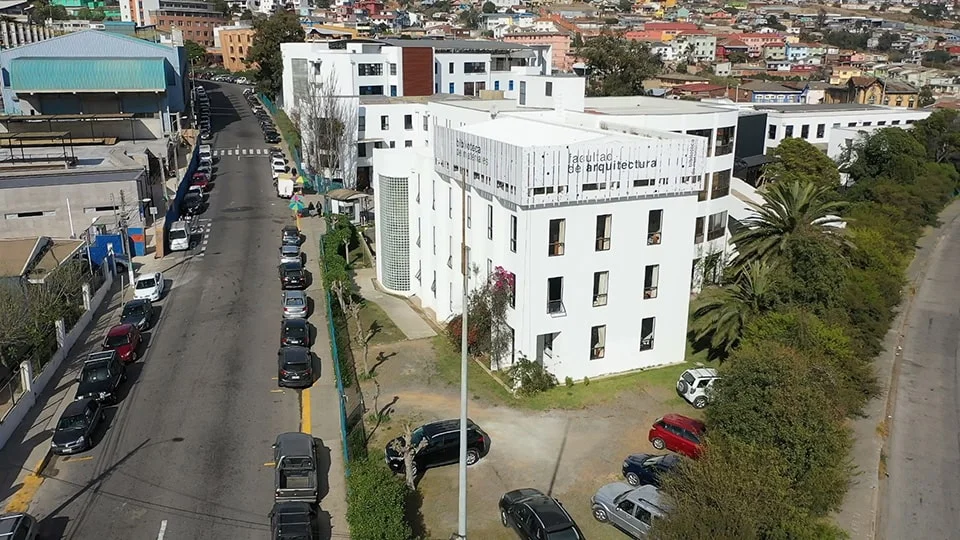
Facultad de Arquitectura
Ir a ver comunidad.
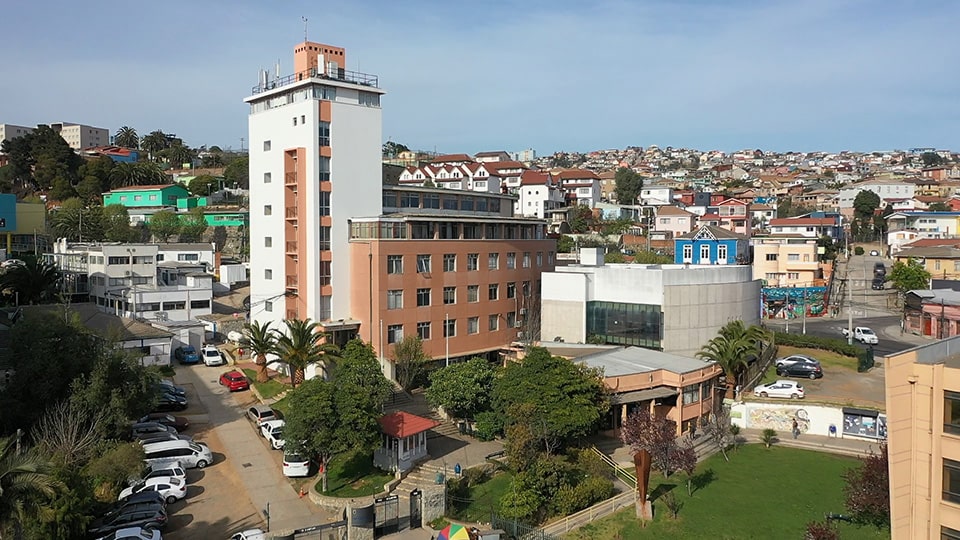
Facultad de Ciencias
Ir a ver comunidad.
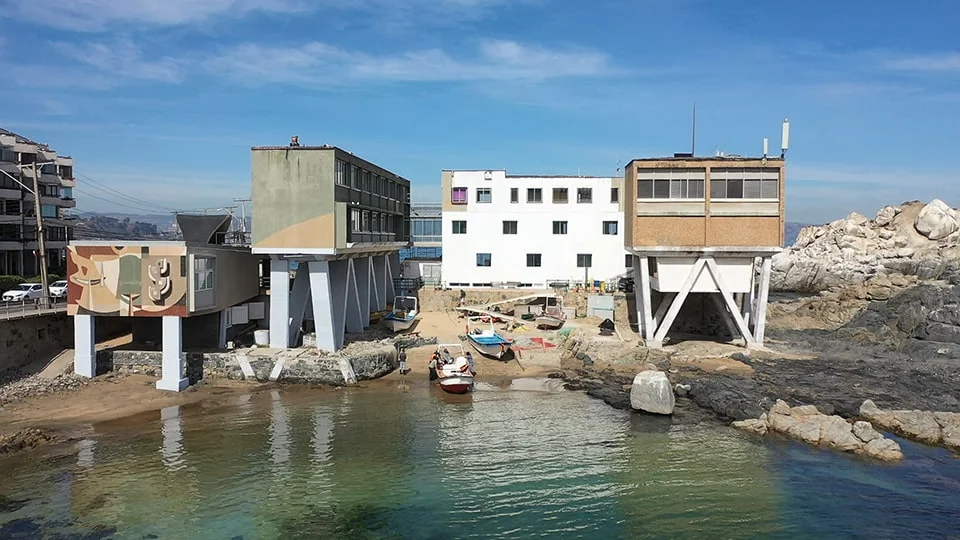
Facultad de Ciencias del Mar y Recursos Naturales
Ir a ver comunidad.
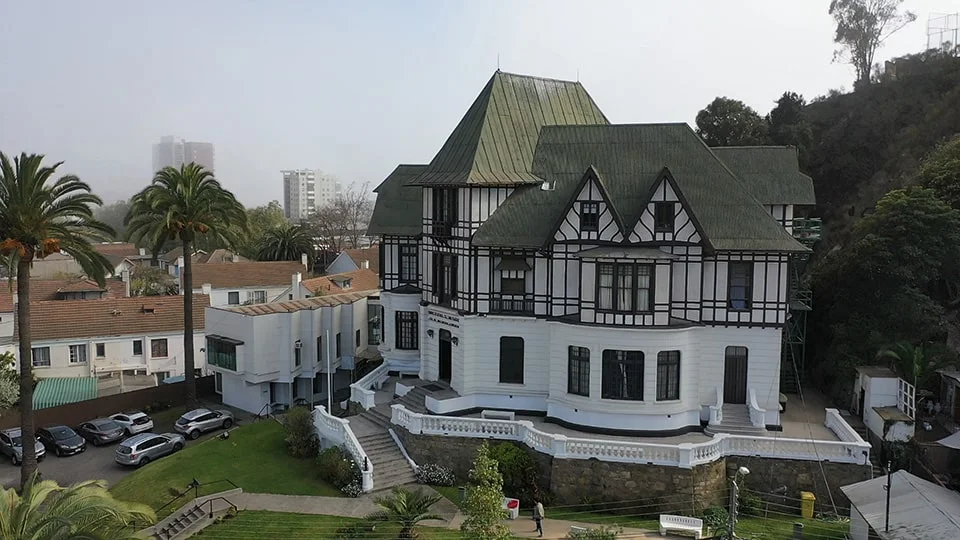
Facultad de Ciencias Económicas y Administrativas
Ir a ver comunidad.
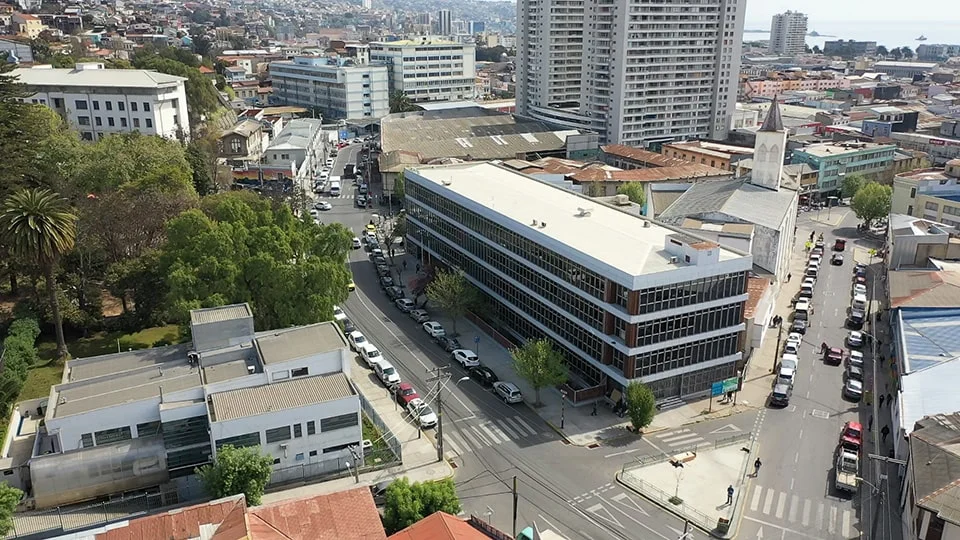
Facultad de Ciencias Sociales
Ir a ver comunidad.
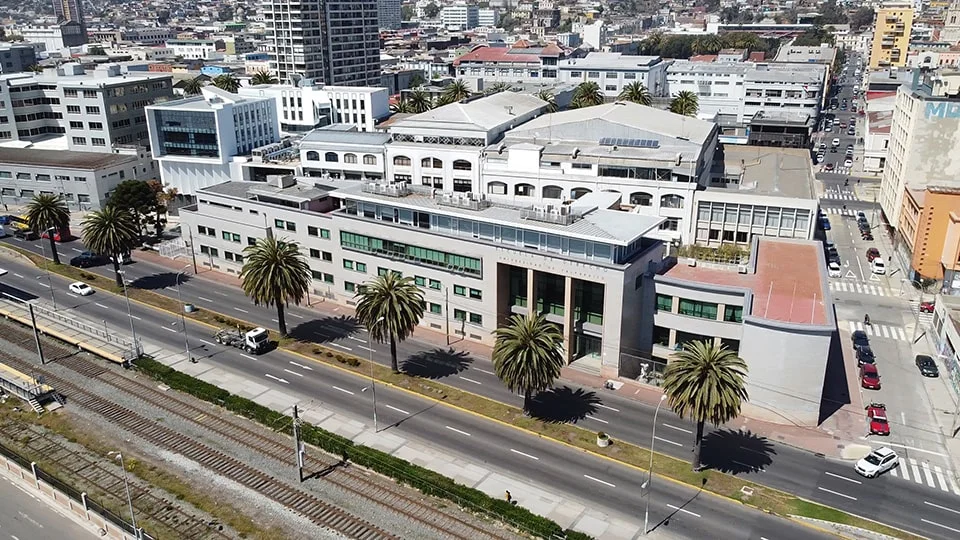
Facultad de Derecho
Ir a ver comunidad.
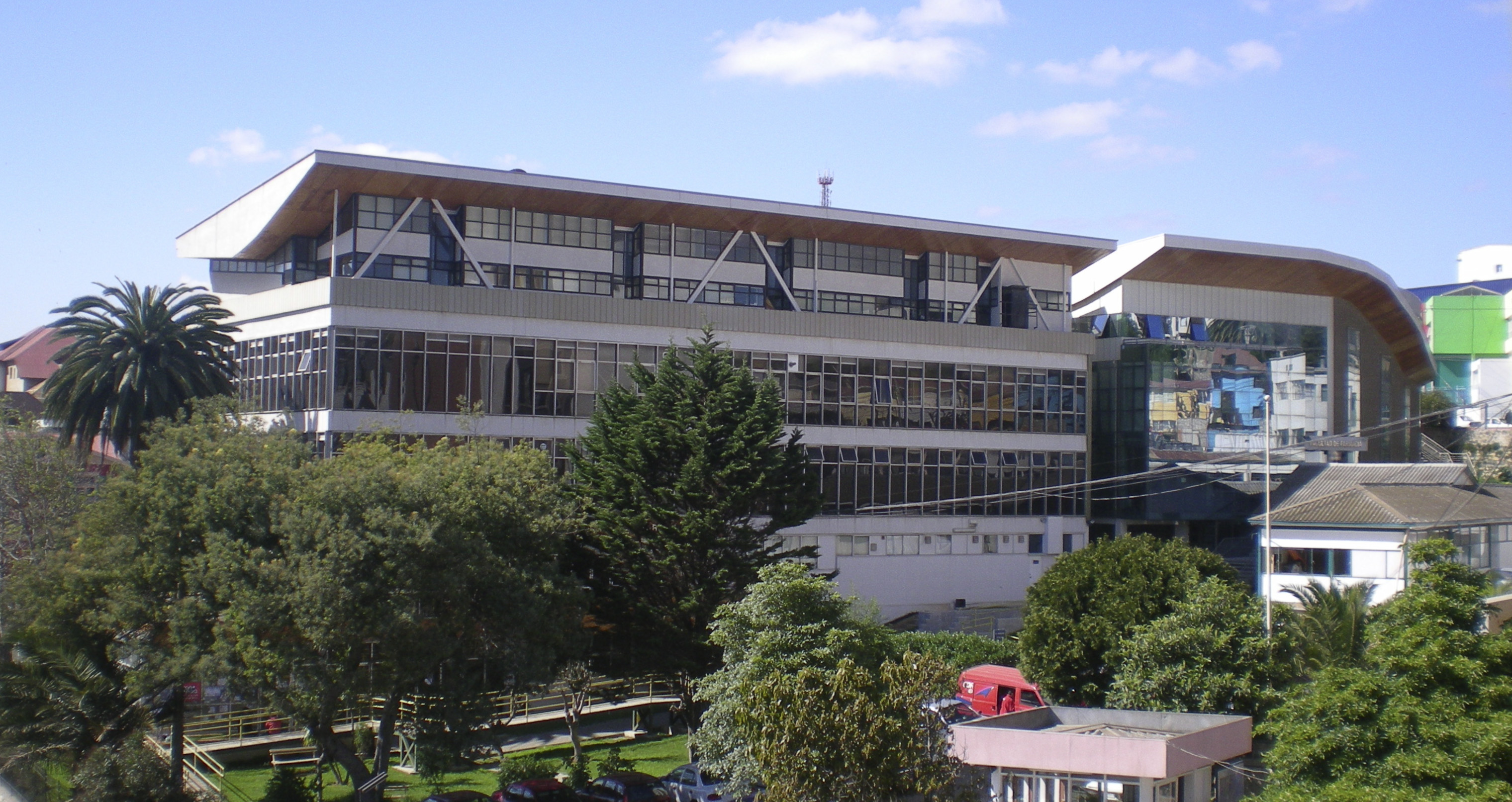
Facultad de Farmacia
Ir a ver comunidad.
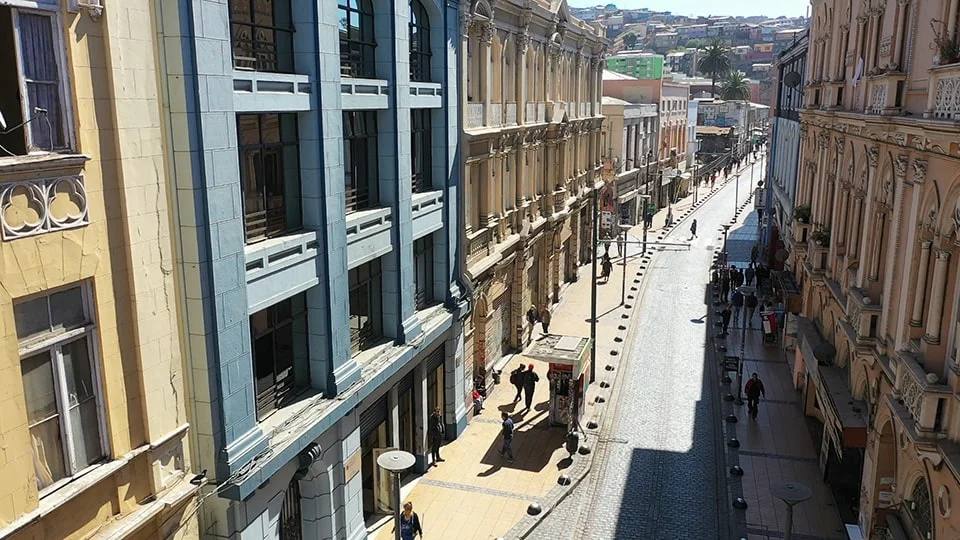
Facultad de Humanidades y Educación
Ir a ver comunidad.
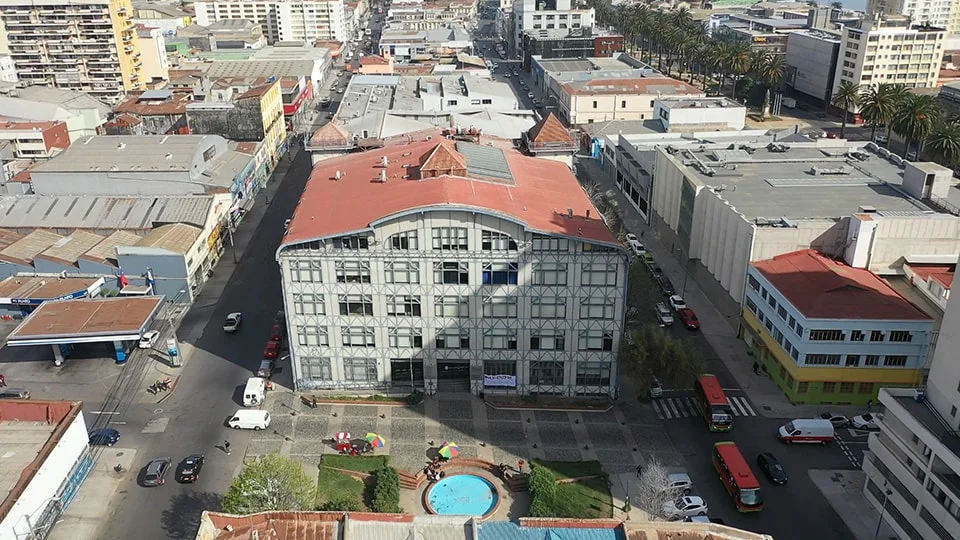
Facultad de Ingeniería
Ir a ver comunidad.
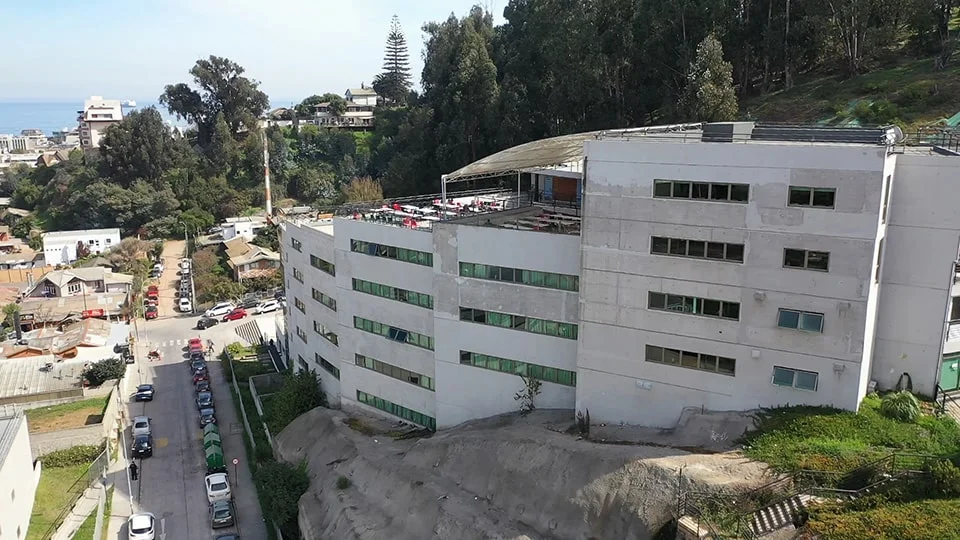
Facultad de Medicina
Ir a ver comunidad.
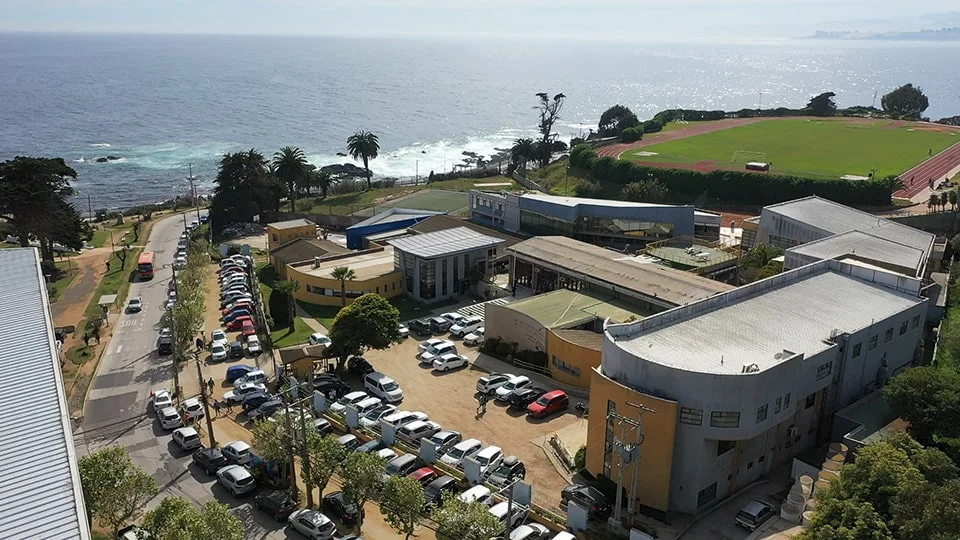
Facultad de Odontología
Ir a ver comunidad.Colecciones.
Navegar en las Colecciones disponibles

Envíos recientes
Experiencias en Educación Superior: la innovación curricular:
(Universidad de Valparaíso. Centro de Desarrollo Docente; MECESUP, 2012) Madrid Aris, Eva; Barros Monge, Manuel; Parada Lezcano, Mario; Lafuente Sánchez, José Vicente; Acuña Collado, Violeta; Calderón Flandez, Claudia; Jiménez Quinteros, Paula; Flanagan Bórquez, Andrea; Castañeda Meneses, Patricia; Cazorla Becerra, Ketty; Fernández Hormaechea, Jemina; Saavedra Alvarado, Rieardo; Lepe Báez, Sebastián
Growth and mortality of larval anchoveta Engraulis ringens, in northern Chile during winter and their relationship with coastal hydrographic conditions
(Fisheries Oceanography, 2017) Conteras Herrera, Jorge; Rodriguez Valentino, Camilo; Landaeta Díaz, Mauricio; Plaza, Guido; Castillo Silva, Manuel; Alvarado Niño, Mónica
Larval growth, age, growth effect and instantaneous mortality were estimated in anchoveta, Engraulis ringens, collected biweekly during the austral winter of 2014 in nearshore waters off Bay of Antofagasta (23°41′W–70°30′S), northern Chile. Through measuring standard length (SL) and sagitta microstructure analysis, it was estimated that the growth rate of E. ringens larvae decreased from June (0.85 mm day−1) to August (0.50 mm day−1). However, the water temperature was homogeneous during the sampling dates (14.6, 15.2, 14.4, and 14.6°C), suggesting that the decelerating larval growth was not linked to changes in sea temperature. Additionally, larvae with slow growth have larger otoliths compared with conspecifics with fast growth (growth effect). Larval mortality rates tended to decrease until the middle of July (0.18 per day) but increased to 0.25 per day in early August, which coincided with lower food availability (i.e., chlorophyll-a, 2.7–5.6 mg m−3) and a high occurrence of smaller larvae (1.58–11.5 mm). Partial least squares analysis indicates low covariance between the biological and oceanographic variables (PLS: 11.71%), suggesting that other factors, such as parental effects, may explain the abrupt decrease in the larval growth rates.
Benthic food distribution as a predictor of the spatial distribution for shorebirds in a wetland of central Chile
(Revista de Biología Marina y Oceanografía, 2016) Pérez Vargas, Alfredo; Bernal, Mariano; Delgadillo Recabarren, Camila; González Navarro, Eduardo; Landaeta Díaz, Mauricio
Coastal landscapes of central Chile are important places for species of resident and migratory shorebirds. Estuarine environments are critical habitats that provide resting places and food resources for large concentrations of shorebirds to replenish their energy during their migration. We hypothesized that shorebirds choose particular habitats based on food availability in a tidal wetland of Aconcagua River, central Chile. We evaluated composition and abundance of benthic ensemble in foraging areas, and its local spatial distributions in these foraging areas. The main prediction was that selected trophic items may reflect the main distribution of shorebirds. The total benthic invertebrates registered were 11,514 individuals, corresponding to 25 taxa, being crustaceans, polychaetes, oligochaetes, and insects the major taxonomic groups. The total and foraging shorebirds registered were 2,105 and 1,136 individuals, respectively; corresponding to 18 species belonged to 4 Families: Charadriidae, Haematopodidae, Recurvirostridae and Scolopacidae. Tidal flats around the study site exhibit non random spatial distributions of feeding shorebirds, responding to food availability within the Aconcagua river wetland. Our integrated analysis showed significant differences between tidal flat areas based on abundance and composition of benthic trophic items (mediated by sediment characteristics), and some relationships between foraging shorebirds and trophic items in particular tidal flat areas. These results have implications for shorebird conservation and future wetland management, mainly in relation to environmental changes and other causes of habitat loss and destruction linked with worldwide decline in many shorebird populations.
Effect of ENSO on the distribution and concentration of catches and reproductive activity of anchovy Engraulis ringens in northern Chile
(Fisheries Oceanography, 2018) Hernández Santoro, Carola; Landaeta Díaz, Mauricio F; Castillo Pizarro, Jorge
Anchovy makes up 90% of pelagic fishery catches in northern Chile. For the present work, anchovy (Engraulis ringens, Jenyns 1842) catches between 1997 and 2016 were analyzed to determine changes in distribution, concentration, and reproductive behavior before, during, and after ENSO events, using spatial indexes: gravity center (GC), inertia, coverage (CI), Gini index, and gonadosomatic index (GI). At the start of ENSO, anchovy catches increased and concentrated along the coast (rising Gini index), while CI decreased. During ENSO, Gini decreased, registering a southward displacement of the GC and smaller catches. In the long run, anchovy occupied lesser area (
Water age variability in a Patagonian fjord
(Journal of Marine Systems, 2020) Pinilla Matamala, Elías; Castillo, Manuel; Pérez-Santos, Iván; Venegas, Oliver; Valle-Levinson, Arnoldo
Transport time scales are helpful to determine aquatic ecosystem health and sensitivity to pollution. Water age was studied in a Patagonian fjord in Chile with an unstructured three-dimensional hydrodynamic model (MIKE 3) coupled with a high-resolution atmospheric model (WRF). Water age is defined as the time a water parcel has remained since its entrance to a system. Water age is represented in the Puyuhuapi fjord and adjacent Jacaf channel with two tracers: i) freshwater from rivers and ii) ocean water. Hydrodynamic model results showed reasonable stratification structure in the fjord and response to wind forcing. The fjord had high water age values (300–400 days) during autumn-winter due to increased wind stress, which favored vertical mixing and en trainment of subpycnocline waters of higher age. Wind stress decreased during spring-summer, which favored
stratification and decreased water age (~100 days). The change of water age at intermediate (50–100 m) and deep (>100 m) layers is asynchronous. Intermediate layers have their lowest annual water age (100 days) during autumn-winter, when deep waters, especially in the northern part of the Puyuhuapi fjord, have the highest annual water age (> 600 days). Increased inflows of dense waters in spring-summer above a sill of the Puyuhuapi fjord (~100 m) renew the deep upstream basins, causing their lowest annual water age values (400 days) at a time when intermediate waters have their highest values.